
The Magic of Al Mor 2026”
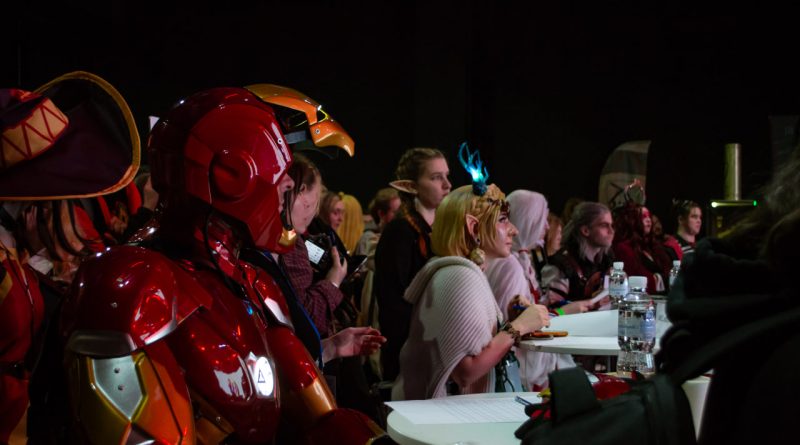
When the gates of Al Mor opened at ten in the morning, February seemed to retreat. Beyond the glass doors, winter no longer existed — only the rustle of cloaks, the soft clang of armor, the whisper of wings, and the scent of cinnamon drifting from the Fair of Curious Wonders. The festival did not simply begin — it awakened.
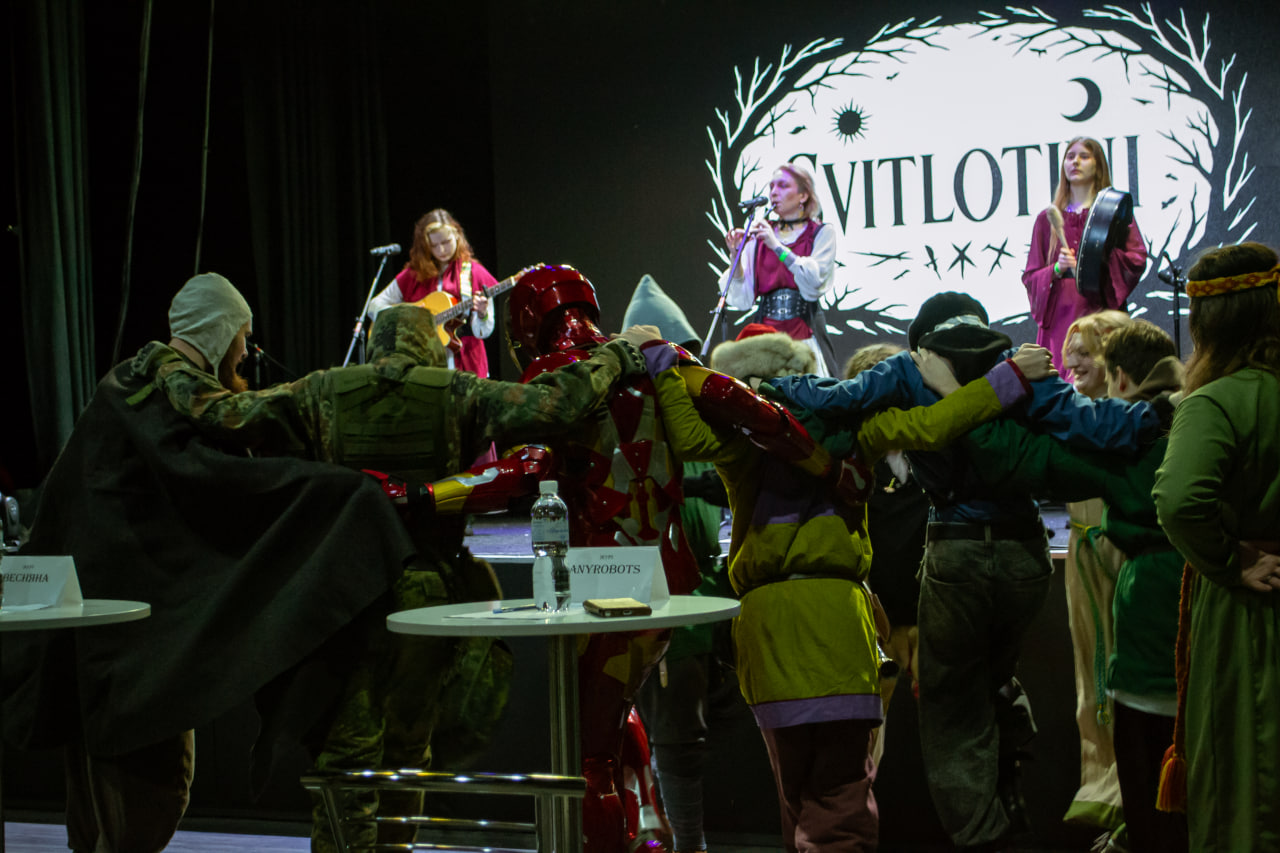
The Main Stage greeted its guests with the music of the band Svitlotini (“Light and Shadows”). Their melodies spread through the hall like morning mist over a mountain valley. Below the stage stood elves crowned with delicate wreaths, witches in tall hats, several witchers carrying silver swords, and at least three dragons — one of them still learning how to fold its wings properly.
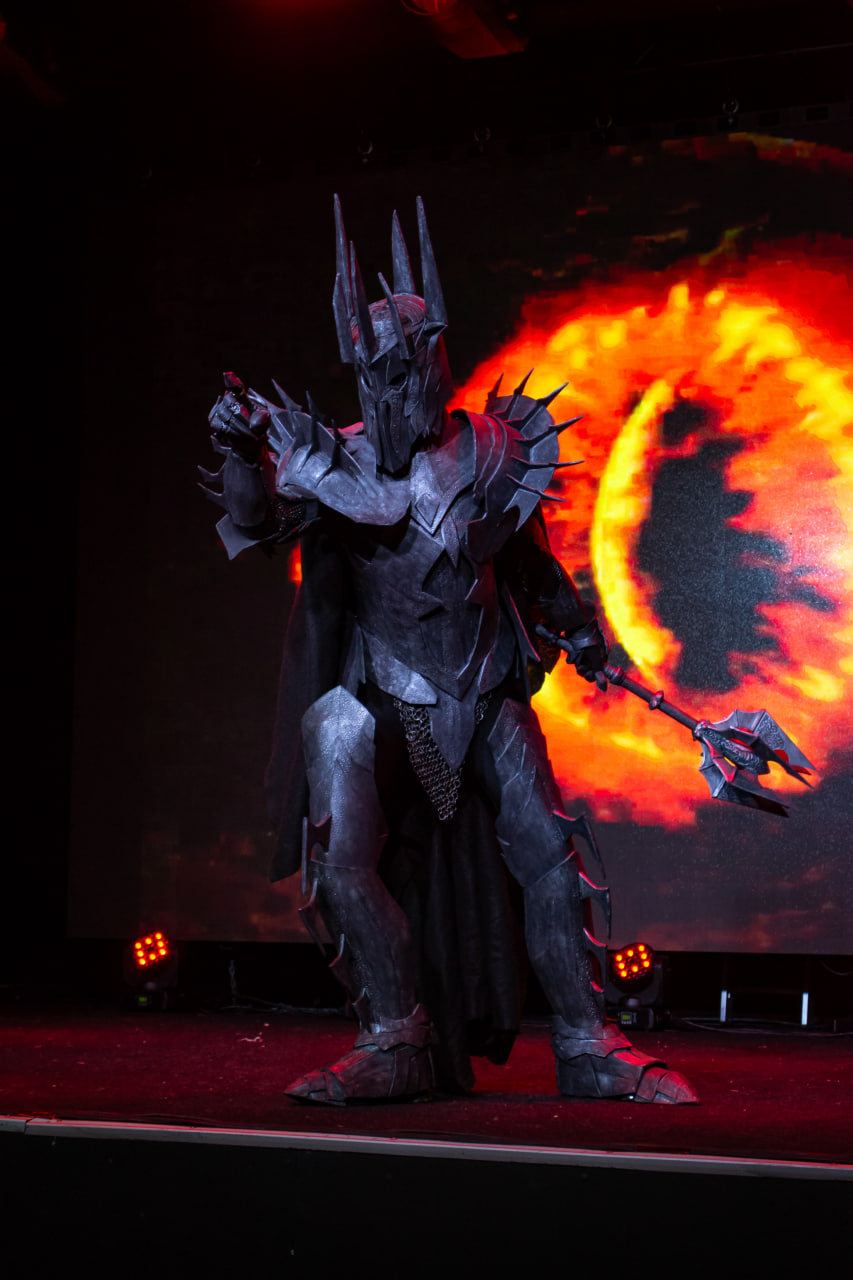
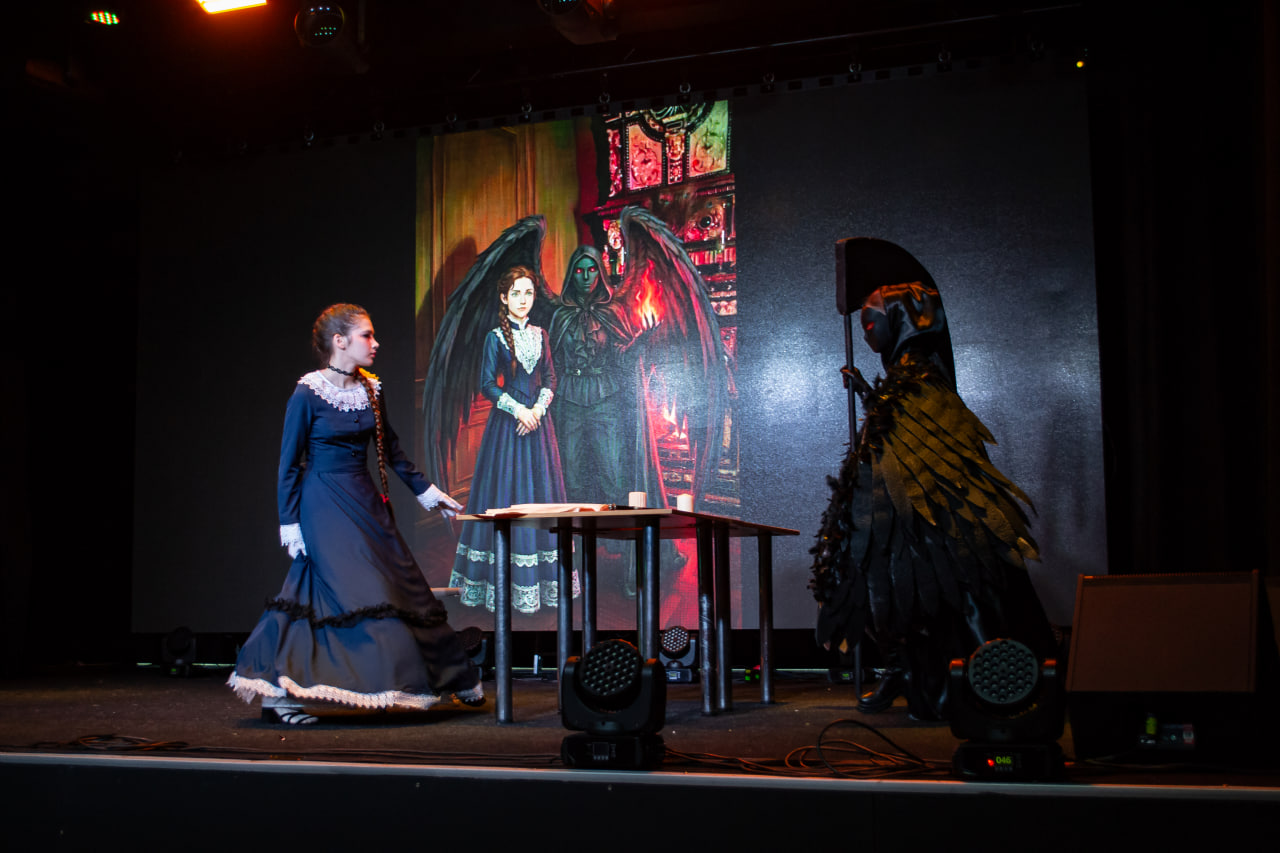
The cosplay competition became a true parade of worlds. In the “Cosplay Defile” nomination, heroes from Middle-earth, Hogwarts, and Kaer Morhen walked side by side with original characters born from Ukrainian imagination. Melarina performed fantasy covers in Ukrainian, giving familiar melodies a new, almost incantatory power. When Abrikosova Hora sang songs about Middle-earth — their own translations and original compositions — the audience joined in as if the beacons of Gondor had just been lit.
A historical fencing мастерclass by KyivGrad gathered a dense circle of onlookers. Swords sang briefly and precisely in the air — this was not mere theater, but craft that remembers the weight of steel. Irish dances from the Firedance studio flared suddenly, like sparks catching dry grass — sharp steps, exact rhythm, applause beating in time.
Elsewhere, another kind of magic unfolded in the Literary Block. Here, instead of blades, there were words. A lecture on historical reconstruction and fantasy reminded listeners that no invention grows from emptiness. An interactive talk about the afterlife — “Invitation to Hell” — made the audience smile and glance over their shoulders, as though the underworld might be closer than expected. A meeting with the Ukrainian translator of The Dark Tower became a journey between worlds — from author to reader, from English lines into Ukrainian resonance.
One of the most powerful discussions centered on female figures in contemporary Ukrainian fantasy: the volunteer, the witch, the chosen one. These archetypes no longer sounded like distant fairy tales, but like echoes of present reality. The room listened closely — and in that listening, there was something deeper than literary curiosity.
Then came unicorns. The lecture titled “Pure Beast: Who Unicorns Are, How to Catch Them, and What to Cook Them With” filled the hall to capacity. Medieval engravings, myths, and sharp humor intertwined into a story of how humanity has tried, for centuries, to capture the ungraspable.
While “Princess in Armor” contestants competed on the Main Stage, workshops across the venue birthed dreamcatchers, beaded magic potions, and Victorian puzzle letters. Children and adults sat side by side, and it was impossible to tell who believed in magic more.
The stands stretched like districts of an imagined city. At the “Harry Potter” area, visitors tried on house scarves. In the “Witcher” zone, qualifying rounds of Gwent unfolded with almost strategic intensity. “Miyazaki Workshop” breathed softness and nostalgia, while the “Mavka. The True Myth” photo zone transformed anyone willing into a character from Ukrainian legend.
Beside the fairy tale stood reality. Charity booths — supporting brigades, foundations, and initiatives — reminded everyone that beyond the festival walls, a different battle continues. Perhaps that is why the light here felt so intentional.
In the board game library, dice rolled steadily. In the artists’ gallery, canvases shimmered with dragons and steppe spirits. The two-day team quest “Capture” launched its own adventure, beginning with registration and the first cryptic clues.
At six in the evening, the awards ceremony crowned the day in steel and glitter. And then, almost seamlessly, the space transformed into a grand masquerade ball. The historical dance studio La Rêverie led guests into minuets and contredanses. Cloaks flared, skirts brushed the floor, laughter rose, and careful steps marked forgotten rhythms — and for a moment, time dissolved between centuries.
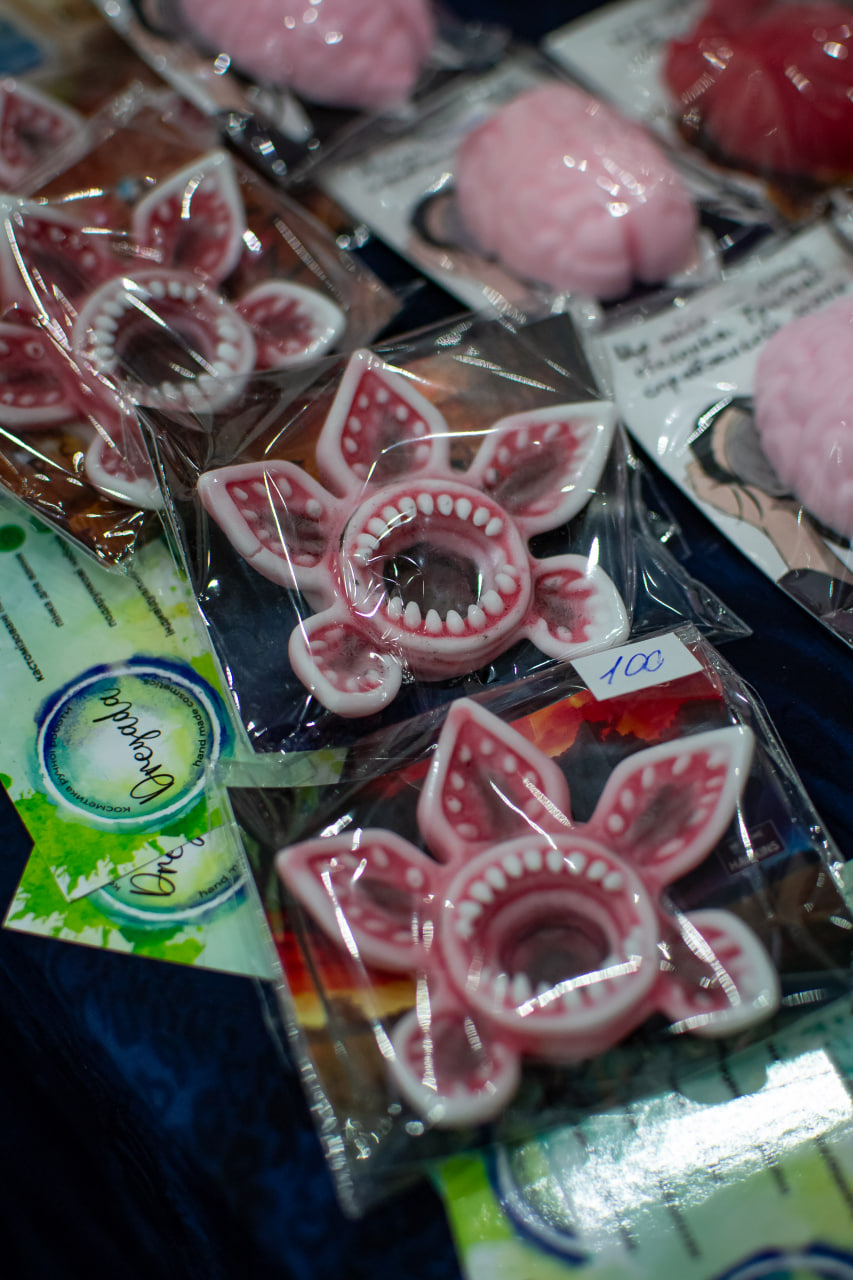
Al Mor did not simply take place. It became a portal — a place where Ukrainian fantasy speaks loudly, sings, debates, dances, and raises funds for good causes. Where dragons pose for photos with soldiers, and princesses wear armor not for decoration, but for meaning.
As evening fell and people left carrying books, scrolls, board games, and new friendships, it felt as though the magic had not vanished.
It had simply gone with them — into the city, into the February cold, into reality.
Because Al Mor is not merely a place.
It is a state of being.
photo: Zhabka (https://www.instagram.com/zhabk.aa)
